
How to Set Firm Boundaries with Freelance Clients (Without Losing Them)

How to set boundaries with freelance clients — on hours, scope, and payment — without losing the relationship.
Tools and resources that help freelancers and self-employed professionals run their business: accounting and invoicing software, time management, templates and planning aids. Each guide explains what the tool does, what to compare and how it fits into your tax and record-keeping routine.
How to set boundaries with freelance clients — on hours, scope, and payment — without losing the relationship.
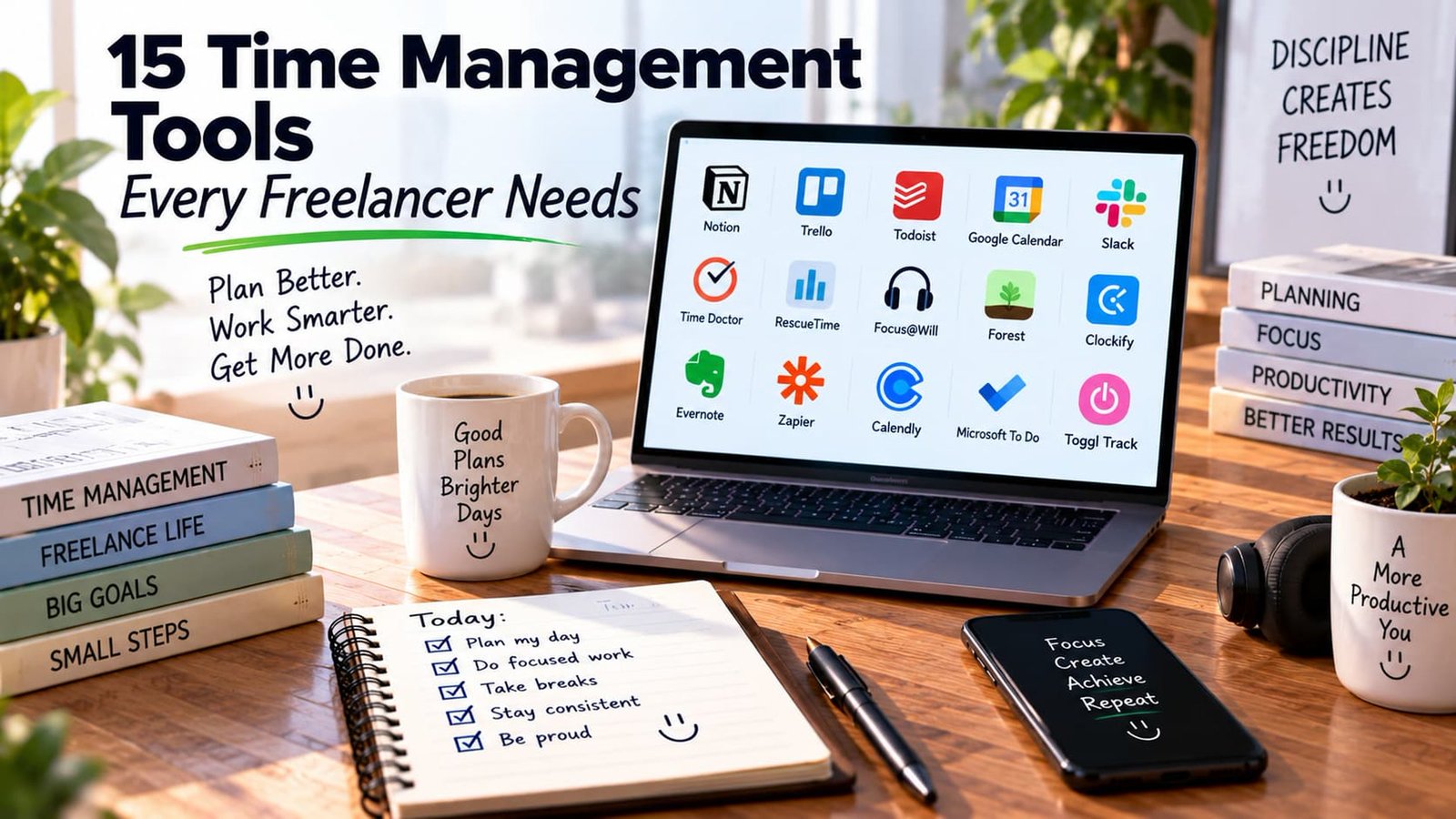
Fifteen time-management tools grouped by what they actually solve, so you can start with one instead of all of them at once.

Why solopreneur burnout usually comes down to three things — no boundaries, no structure, and financial unpredictability — and how to fix each one.

Ten freelance skill categories that consistently command higher rates, from web development to consulting and strategy.

The five-step formula for calculating a freelance hourly rate that actually covers your expenses, taxes, and target income.
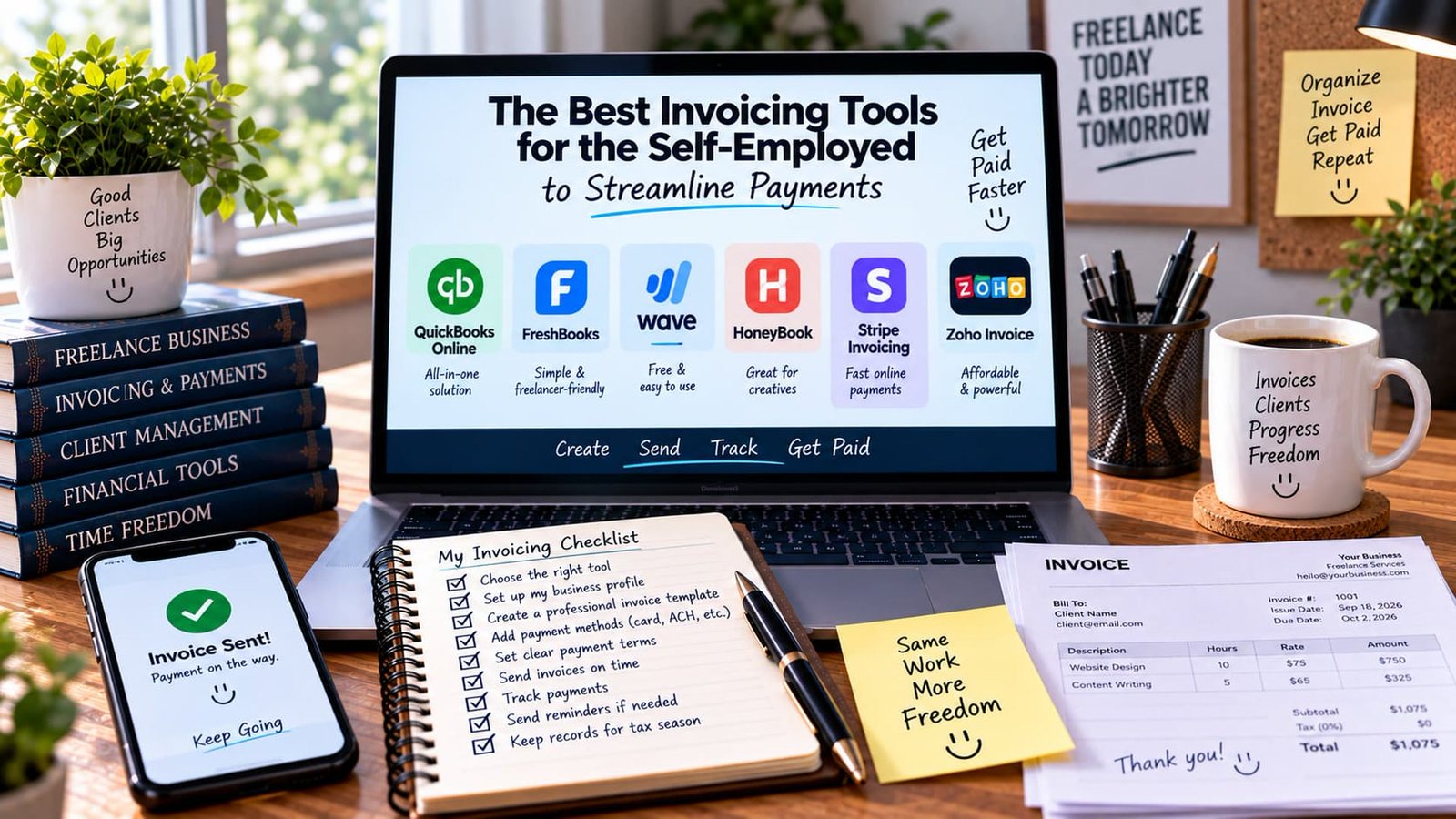
How QuickBooks Online, FreshBooks, Wave, HoneyBook, Stripe, and Zoho Invoice compare for getting paid faster as a freelancer.

Five email templates, from a friendly first reminder to a final notice, for getting a late-paying client to actually pay.

How QuickBooks, FreshBooks, Xero, Wave, and Zoho Books compare for self-employed bookkeeping — ranked by what each one does best.

What a Stripe Express statement descriptor actually is, and why it should match your legal name or DBA for clean bookkeeping.
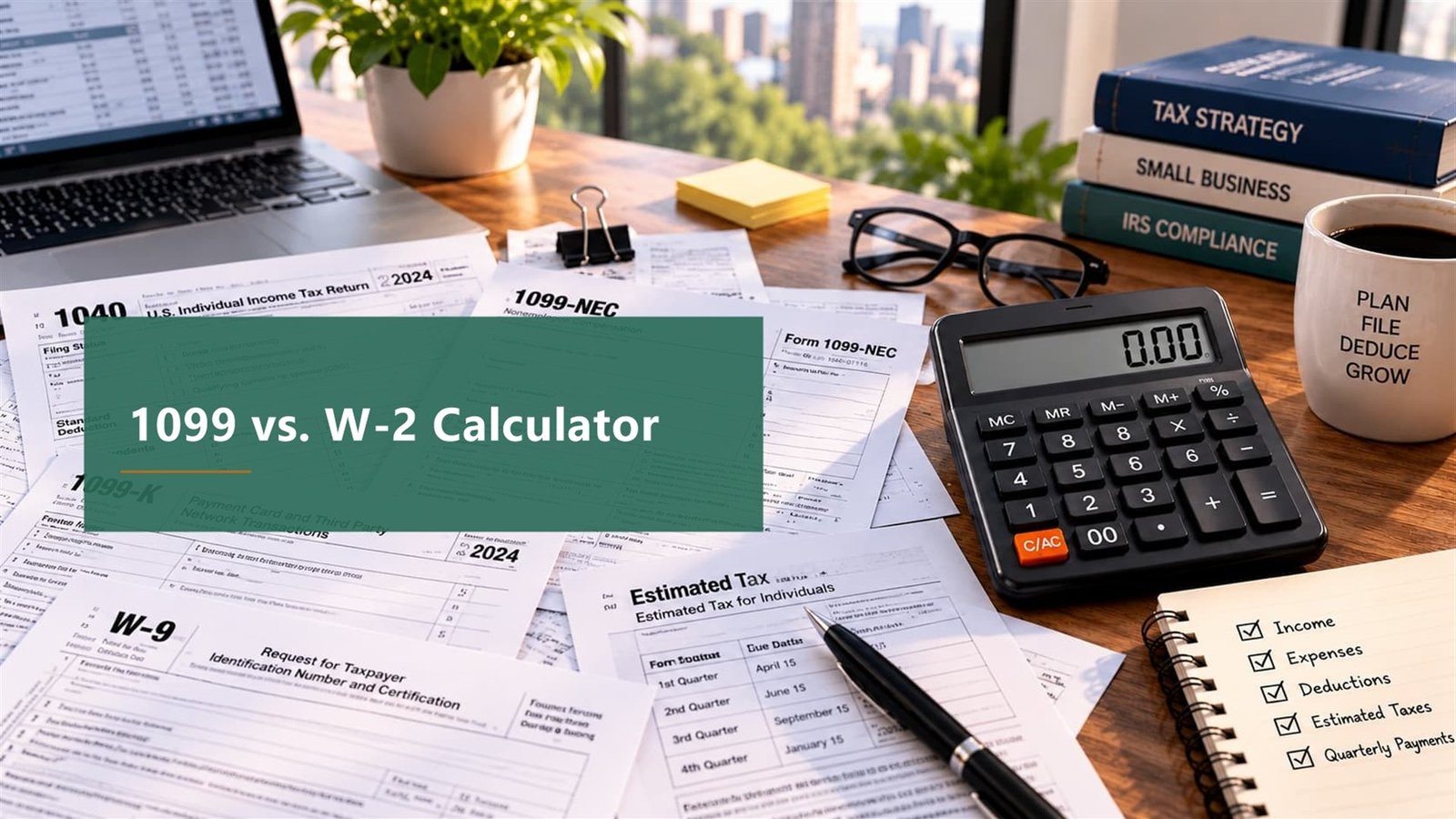
A free calculator comparing the same gross salary as a W-2 job versus a 1099 contract — see the real dollar gap once taxes and lost benefits are factored in.