

✅ Current for tax year 2026
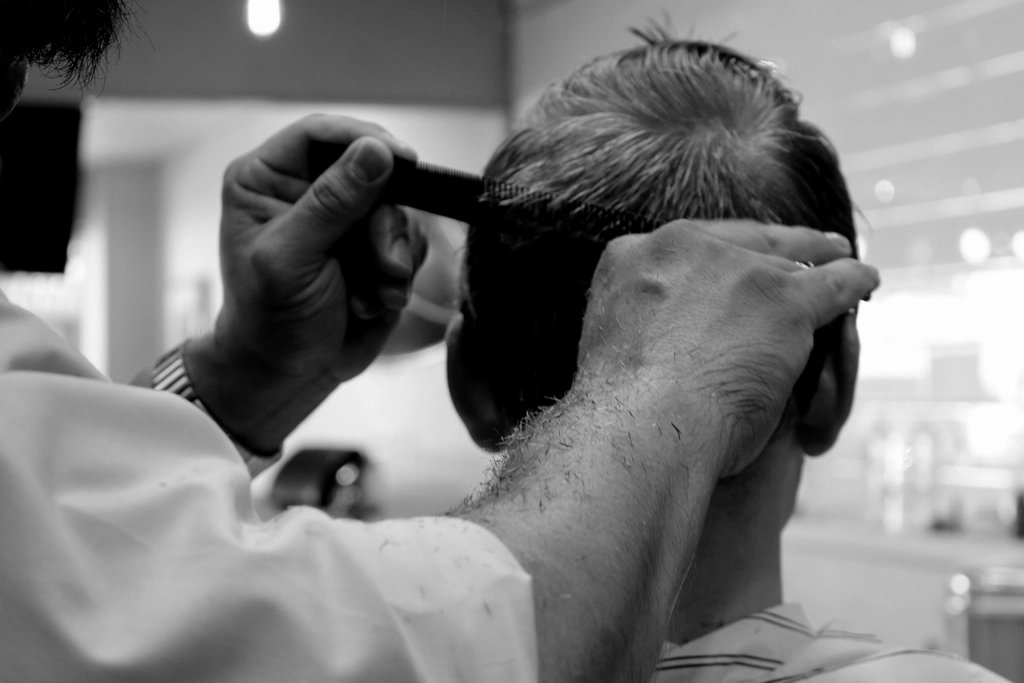
Quick answer: Almost never. The IRS treats haircuts as a personal expense, not a business one — you’d need a haircut whether or not you worked, so it doesn’t count just because you’re a 1099 contractor. There’s one narrow, genuinely rare exception, and it’s easy to misread it as broader than it is.
The general rule, and why it exists
The test the IRS actually applies isn’t “does this help my business” — plenty of personal expenses arguably do that. It’s whether the expense would exist anyway, independent of the work. Since you’d get haircuts as a human being regardless of your job, the cost doesn’t become deductible just because you also happen to be self-employed. The same logic applies to everyday clothing, gym memberships, and most personal grooming.
The narrow exception
Courts have allowed deductions for hair, makeup, and appearance costs only when they’re specific to a role and not suitable for ordinary use — think a stage costume-level wig or styling required for a specific on-camera character, not “I need to look professional.” A regular haircut that also makes you presentable in daily life doesn’t qualify just because your work happens to be on camera. This exception is applied strictly and rarely, and claiming it without a strong, specific case is a common audit trigger.
What content creators sometimes get confused about
If you make on-camera content — the kind of work covered in our OnlyFans tax guide and similar creator content — it’s tempting to treat every appearance-related cost as a business expense. Wardrobe and props used specifically and exclusively for content (not worn outside of filming) generally hold up better than grooming costs, which almost always fail the “you’d have this anyway” test.
The safer version of this instinct
If appearance genuinely matters for your work, the deductions that actually hold up are usually adjacent ones that are unambiguously business-only: a costume you only wear on camera, professional photos for marketing, or a specific prop. Save the haircut receipt for your own budgeting, not your Schedule C.
How this has actually played out in court
A frequently cited real-world example involves a news anchor who tried to deduct clothing and grooming costs required by her employer’s on-air appearance policy — the claim was denied, because the items were suitable for ordinary wear even though her job required them. Contrast that with performers who’ve successfully deducted genuinely costume-specific items: a wig style that would look bizarre outside a specific stage role, or theatrical makeup that isn’t wearable in daily life. The line the courts keep drawing is the same one the IRS applies: “required by my job” isn’t the test. “Unsuitable for anything except this specific job” is.
Other grooming and appearance costs people ask about
Gym memberships fail the same test as haircuts, even for fitness influencers whose bodies are arguably part of their content — you’d want to stay fit regardless of the camera. Teeth whitening, skincare, and cosmetic procedures follow the same logic. The one semi-common exception that holds up: costumes, prosthetics, or makeup so specific to a single performance or shoot that they have no plausible use outside it — and even then, keeping notes on exactly when and why an item was used strengthens the case considerably if it’s ever questioned.
What about makeup and wardrobe for regular video content?
YouTube creators, streamers, and other on-camera professionals ask this constantly, and the answer follows the exact same test as everything above. Everyday makeup and clothing you’d wear regardless of whether a camera was on fail the deductibility test, even if you specifically bought them “for content.” What holds up: a costume genuinely unsuitable for daily life, props used only during filming, or specialized equipment like ring lights and backdrops, which are business assets rather than personal appearance costs and were never really in question. The confusing middle ground — a nicer-than-usual outfit worn on camera but also wearable elsewhere — almost always falls on the non-deductible side, because “nicer” and “business-exclusive” aren’t the same standard the IRS actually applies, even though they feel related.
Related guides
- The Full DoorDash Deduction List: Mileage, Phone, Hot Bags, and More
- Can You Deduct Moving Expenses for Your Business?
- Mileage Deduction Calculator
- Schedule C, Line by Line: The Freelancer’s Walkthrough
- Can Gig Workers Claim the QBI Deduction Without an LLC or Sole Proprietorship?
- Hair Stylist Tax Write-Offs: Booth Rent vs. Commission, Supplies, and Licenses
Sources
General deductibility standard reflects longstanding IRS treatment of personal versus business expenses (the “ordinary and necessary” test applied on Schedule C).
Try it yourself: Add up deductions like this one and see how they change your tax bill with our Tax Deduction Calculator.